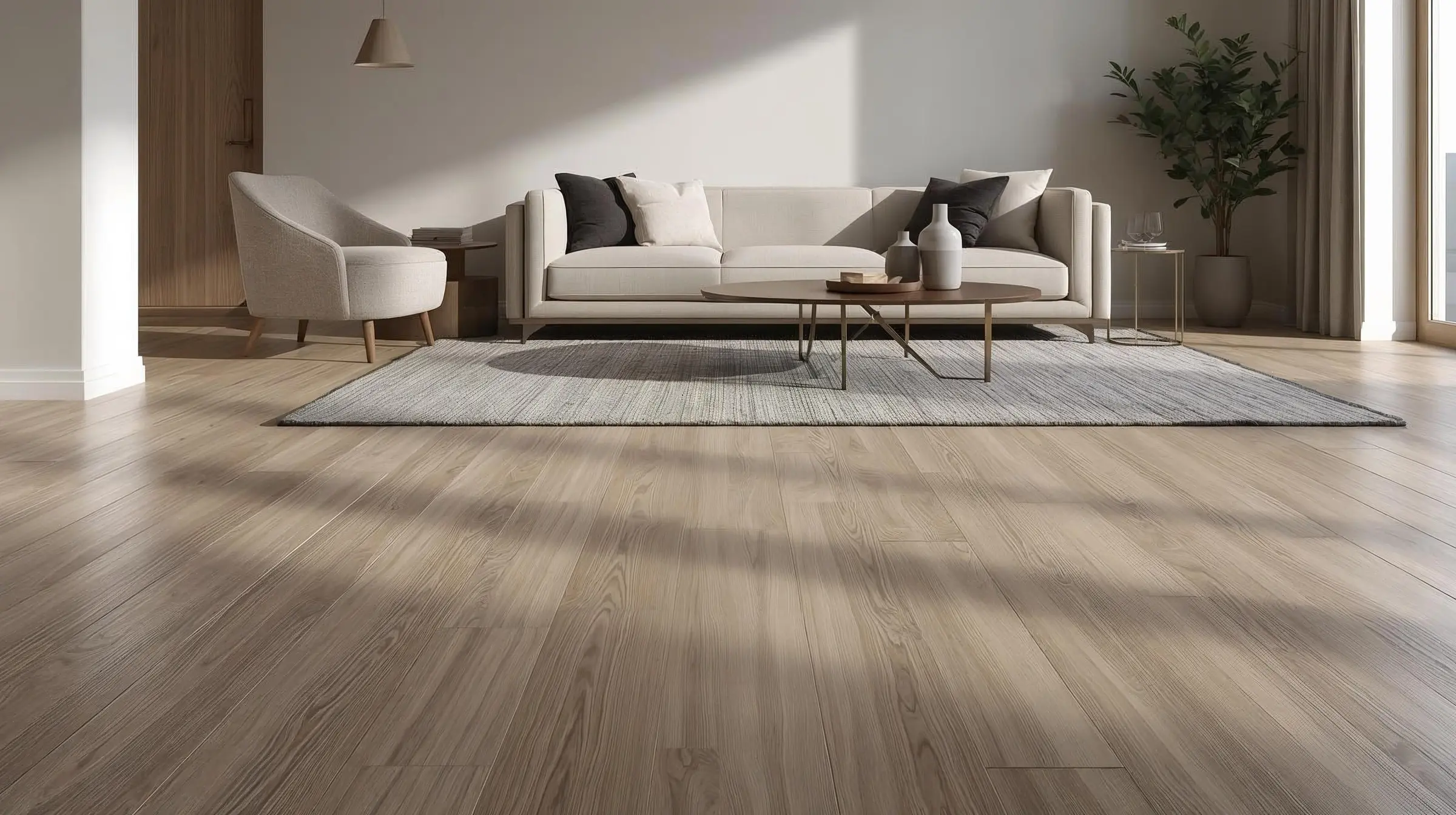

Anyone who has lived through a Tampa Bay hurricane season knows the routine: watch the forecast, move the car, bring in the patio furniture, and hope the water stays outside. Heavy rain, storm surge, and rising groundwater are part of life here, especially in low-lying neighborhoods near the bay and the Alafia and Little Manatee rivers. When you are choosing a new floor, it is smart to ask how it will behave on the worst day, not just the average one.
This guide explains what waterproof flooring can realistically do, where its limits are, and how we help Hillsborough County homeowners plan around the risks.
What Waterproof Really Means
When a manufacturer calls a floor waterproof, it is describing the planks. A luxury vinyl plank floor has a synthetic core that does not absorb water the way fiberboard does. A spilled pot, a leaking washing machine hose, or a muddy rainy-day entry will not ruin it.
What it does not mean is that the entire floor system is invulnerable. Water can slip through gaps at walls, doorways, and transitions, and reach the subfloor. If it sits there, it can cause odor, mildew, or damage to the slab-to-wall connection. The floor on top may look perfectly fine while trouble brews underneath. That is why drying and inspection matter after any big water event.
Why LVP Is a Smart Choice in Storm Country
- The planks can be lifted, dried, and in many cases reinstalled when a minor water event happens, depending on the installation method and product.
- Individual damaged planks can be replaced without tearing out the whole room.
- It handles the damp-feet, wet-pet, wet-umbrella routine of a Florida summer without complaint.
- It is a practical choice for ground-level rooms such as garages converted to living space, sunrooms, and laundry rooms.

Where Laminate Fits in Flood-Prone Areas
Laminate is a good option for upper floors and dry rooms, but we do not recommend it for ground-level spaces in neighborhoods with a history of water intrusion. If your property sits in a flood zone or has had water issues, vinyl is the more forgiving product.
Before Storm Season: A Simple Checklist
- Check that your gutters and downspouts move water away from the foundation.
- Look at door thresholds and weatherstripping, especially at sliders and garage entries.
- Ask your installer to use proper transition strips and edge treatments at exterior doors.
- Keep a short list of rooms where you would want to lift furniture first.
- If you are planning new flooring, schedule it well ahead of peak storm months so materials and install dates are not rushed.
After a Water Event
If water reaches your floor, the first priority is safety and drying. Turn off power to affected areas if it is safe to do so, remove standing water, and get air moving. Photograph everything for your records. Then have a professional look at the floor and the base beneath it before making decisions.
Our team can help with floor repair when the damage is limited and with demolition and prep when a section needs to come out and the base needs to be reset. We will tell you plainly whether a repair makes sense or whether starting fresh is the better path. We do not handle insurance claims, but a clear assessment can help you have an informed conversation with your adjuster.
Matching the Floor to the Neighborhood
Low-lying parts of Ruskin, Apollo Beach, and areas close to Tampa Bay tend to see more water than higher ground in Brandon or Valrico. That does not mean you cannot enjoy a beautiful floor anywhere. It means you choose the right product and install it carefully. Browse our Apollo Beach and Tampa pages to see how we serve different parts of the region.
Planning a waterproof floor before next season?
Request a free in-home estimateYou can also read what neighbors say about working with us on our reviews page.